Palm Tree: A Thoughtful Embroidery Design Review
As a designer who’s stitched hundreds of custom pieces—from boutique aprons to baby onesies and Etsy shop bestsellers—I opened the Palm Tree embroidery file with quiet curiosity, not hype. This isn’t just another tropical motif. It’s a golden ratio–inspired design, and that subtle mathematical harmony changes how it reads on fabric—especially under thread.
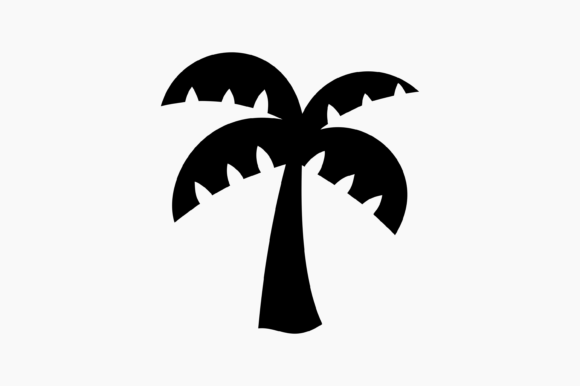
I tested it first on a natural linen tote bag for a local café’s summer launch. The client wanted something breezy but refined—not cartoonish, not overworked. Palm Tree landed perfectly: clean silhouette, graceful curve in the fronds, balanced negative space around the trunk. It didn’t shout “vacation.” It whispered “coastal calm”—a mood that translates well to sweatshirt embroidery, nursery decor, or even minimalist kitchen towels.
The layout feels intentional for real-world use. The vertical orientation works beautifully on caps and pillow covers without awkward cropping. On a curved surface like a baseball cap, the trunk’s slight taper helps it follow the dome naturally—no distortion in the fill stitch areas. I ran it on a mid-weight cotton blend sweatshirt using medium tear-away stabilizer, and the satin stitch along the outer frond edges held crisp definition without puckering. That’s rare in designs this tall and slender.
Where Palm Tree shines most is in handmade product versatility. As an applique design, its clean edges make it ideal for layered fabric patches—think denim jackets or embroidered baby blankets. As a standalone machine embroidery design, it scales well from 3.5” (ideal for tea towels or pocket accents) up to 6” (strong presence on tote bags or apron fronts). Just avoid pushing it below 2.75” unless you’re using high-density thread and ultra-fine stabilizer—those delicate frond tips start losing clarity fast.
For small business owners and Etsy sellers, this design supports brand consistency without feeling generic. Unlike many clip-art-style palm motifs, Palm Tree avoids excessive detail—no tiny coconuts, no overly segmented leaves—so it stitches reliably across fabric types. I ran it on both stretchy jersey (for a custom kids’ tee) and textured terry cloth (for a beach-themed towel), and adjusted only the stabilizer—not the design itself. That flexibility saves time when juggling multiple craft business orders.
That said, there are places where caution pays off. On dark fabric, especially charcoal or navy, test your thread colors carefully: light gold or ecru thread can disappear against shadows in the trunk’s fill stitch zones. On thin fabrics like rayon challis or lightweight voile, add cut-away stabilizer underneath—this design’s open negative space means less thread weight holding things down, so fabric movement matters more than usual. And while it works on caps, avoid placing it too close to the bill seam; the curve tightens there, and those long fronds can shift slightly if hooping isn’t precise.
For holiday embroidery or personalized gifts, Palm Tree adds quiet sophistication. I stitched it onto ivory cotton napkins for a coastal wedding favor—it read as elegant, not kitschy. Paired with monogrammed initials in a simple sans-serif, it created cohesion without competing. That balance makes it a smart choice for boutique branding, where visual restraint builds trust faster than busy graphics ever could.
Here’s what I always check before committing Palm Tree to a client project or finished product:
- Test on scrap fabric first—especially if using textured, stretchy, or dark materials;
- Review stitch density in the trunk base and frond overlaps—dense areas need extra stabilizer on delicate fabrics;
- Confirm hoop size compatibility—the design fits comfortably in a 5×7 hoop at standard scale, but verify your machine’s limits before resizing;
- Inspect small details in the frond tips—look for stray running stitch anchors or overly tight corners that might snag;
- Try black-and-white mockups to gauge contrast and readability on light vs. dark backgrounds;
- Use proper stabilizer: medium tear-away for stable wovens, cut-away for knits or loosely woven crafts;
- Check licensing terms before selling finished items or digital embroidery files—this is a digital embroidery file for unlimited personal and commercial use, but always confirm scope before bundling into craft kits or subscription boxes.
What surprised me most was how well Palm Tree holds up in low-detail contexts. As a printable mockup element for an Etsy listing, it looks polished even at thumbnail size—no pixelation, no muddy edges. That matters when customers scroll fast. And because it’s offered in SVG, PNG, EPS, and DXF formats, it transitions cleanly from embroidery software to vinyl cutter or sticker printer—making it a true multi-use design asset for crafters who pivot between mediums.
This isn’t a “throw-it-on-anything” graphic. It’s a considered piece—calm, confident, quietly proportional. It elevates a plain sweatshirt into something thoughtful. It softens a baby onesie without overwhelming it. It gives a small shop product instant visual cohesion. In a market saturated with loud, trend-chasing graphics, Palm Tree stands out by doing less—and doing it well.
If you’re choosing embroidery files for custom apparel, personalized gifts, or small shop merchandise, treat Palm Tree like a trusted tool—not just decoration. Use it where subtlety matters. Let it anchor, not dominate. And always, always test before stitching for real. Because the best embroidery design isn’t the flashiest one. It’s the one that makes your finished product feel intentional, cared-for, and unmistakably yours.