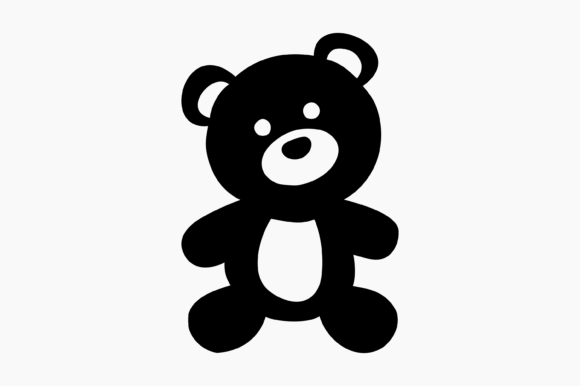
Teddy Bear: A Warm, Versatile Embroidery Design Worth Your Thread
As a designer who’s stitched hundreds of custom pieces—from boutique baby onesies to Etsy shop merchandise—I opened Teddy Bear expecting charm. What I got was something more practical: a quietly confident, well-proportioned machine embroidery design that feels like it was drawn *for fabric*, not just for screen. It’s not flashy or overly detailed, but its gentle curves, balanced negative space, and soft silhouette make it instantly recognizable at small sizes—exactly what you need when embroidering a toddler’s bib or a linen tea towel.
First Impressions: Friendly, Not Fussy
The Teddy Bear design reads as warm and approachable—not cutesy, not cartoonish, not minimalist to the point of abstraction. Its rounded ears, slightly tilted head, and subtle stitch-defined paws suggest movement and personality without demanding complex satin-stitch shaping or dense fill areas. That matters. When you’re prepping a batch of embroidered tote bags for a local craft fair, you want a design that stitches cleanly on midweight canvas *and* holds up visually after repeated washing. Teddy Bear does both. It doesn’t rely on tiny details that vanish in thread, nor does it overwhelm with heavy stitch density—making it ideal for beginners and seasoned embroiderers alike.
Where Teddy Bear Truly Shines
- Custom apparel: On a lightweight cotton sweatshirt, Teddy Bear reads clearly even at 3.5" wide—no bleeding, no puckering, especially when paired with a medium-weight cutaway stabilizer. It’s become my go-to for personalized baby shower gifts: one bear centered on a onesie front, two stacked on a matching burp cloth, all stitched in matte cotton thread for tactile softness.
- Embroidered patches: Because the outline is clean and the interior fills are open and breathable, Teddy Bear converts beautifully into iron-on or sew-on patches. I tested it on twill-backed denim and lightweight wool blend—both held crisp edges and resisted fraying at the seam allowances.
- Nursery & holiday embroidery: On muslin pillow covers and organic cotton blankets, Teddy Bear adds quiet sweetness—not kitsch. Paired with neutral thread (ecru, charcoal, oatmeal), it supports a cohesive, handmade aesthetic rather than shouting for attention. It also works well as part of a seasonal set: a single bear on a Christmas stocking, three arranged as a garland on a kitchen towel.
- Craft business & Etsy listings: As a digital embroidery file, Teddy Bear gives small shop owners flexibility. You can offer it as a standalone design for DIYers, bundle it with coordinating fonts or floral accents, or use it across product lines—tote bag + mug mockup + printable gift tag—all anchored by the same recognizable motif. That consistency builds brand trust, especially for shops focused on gentle, thoughtful design.
Use With Care: Real Fabric Realities
Teddy Bear isn’t magic—and knowing where to pause makes all the difference. On highly textured fabrics like bouclé or thick terry cloth, the subtle contours of its face soften. If you’re stitching on a curved surface like a baseball cap, test placement first: the bear’s head shape flows best on gently rounded fronts, not steep crowns. And while it scales down well to ~2.75", avoid shrinking it below 2" unless you’re using high-density thread and ultra-fine needles—small eyes or stitched nose details may lose clarity.
Dark fabric? Teddy Bear works—but only if you choose thread with enough contrast. A light tan bear on navy fleece needs off-white or pale gold thread, not beige. Thin or stretchy fabrics (like jersey or rayon challis) require extra stabilizing: I recommend a tear-away + light cutaway combo to prevent distortion during the fill-stitch phase. Also, skip Teddy Bear for heavily layered garments (e.g., quilted jackets) unless you’re willing to trim excess backing carefully—it’s designed for clean, single-layer presentation.
Design Integrity Meets Commercial Practicality
What sets Teddy Bear apart from dozens of similar graphics is how thoughtfully it balances visual appeal with technical execution. There’s no over-engineered satin border around the ears, no unnecessary running-stitch outlining that adds bulk without benefit. The stitch density feels intentional—not sparse, not saturated—so it lies flat, wears well, and avoids thread breakage on longer runs. That translates directly to customer trust: when your embroidered baby blanket arrives with smooth, consistent stitching and zero skipped areas, buyers notice. They feel the care—not just in the final product, but in the quiet professionalism behind it.
For Etsy sellers and craft business owners, Teddy Bear also supports strong visual storytelling. Use it in a printable mockup showing the same design across a ceramic mug, a linen apron, and a cotton drawstring bag—it creates cohesion without repetition. As a digital embroidery file, it’s versatile enough for both personal projects and commercial embroidery, but remember: always confirm licensing terms before selling finished items or bundling Teddy Bear into your own digital product offerings. The listing notes “unlimited use” for stickers, t-shirts, mugs, etc., but verify whether resale of stitched items or redistribution of the embroidery file itself is permitted.
Designer Notes Before You Stitch
- Always test Teddy Bear on scrap fabric matching your project’s weight and weave—especially for baby items or garments meant for frequent washing.
- Check thread color contrast on both light and dark backgrounds; soft tones often read better than brights for this design’s mood.
- Review stitch density in your embroidery software—look for tight clusters in the bear’s face or paws that might benefit from slight digitizing tweaks.
- Confirm hoop size compatibility early—Teddy Bear fits comfortably in a 4x4 hoop at standard scale, but double-check if you plan to resize significantly.
- Inspect small details in black-and-white mockups—this reveals clarity issues invisible on screen.
- Use appropriate stabilizer: cutaway for knits, tear-away for stable wovens, and fusible for lightweight linens.
- Remember: Teddy Bear is a graphics asset—versatile across Crafts applications—but its strength lies in how it performs *in thread*, not just on screen.
In short, Teddy Bear earns its place in your embroidery library not because it’s trendy, but because it’s reliable. It’s the kind of design that makes your next custom order feel effortless, your boutique shelf look curated, and your handmade product feel quietly special—without needing explanation. That’s the mark of good craft design: simple to use, thoughtful to execute, and meaningful to receive.