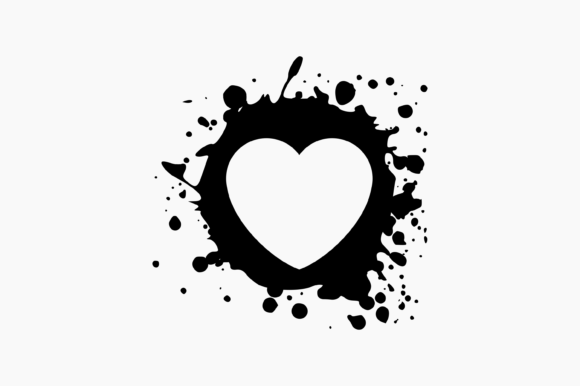
Heart Splat Ink: A Designer’s Real-World Embroidery Review
First Impressions: Playful, Bold, and Instantly Recognizable
When I opened Heart Splat Ink for the first time, I didn’t see just another heart motif—I saw a confident, ink-splatter twist on a classic symbol. It’s not delicate or overly ornate; it’s energetic, slightly imperfect, and full of handmade charm. The shape balances organic flow with clean edges—ideal for embroidery that needs to read clearly at small scales but still feel expressive. As a designer who regularly selects machine embroidery designs for client projects and my own craft business, I immediately pictured it stitched on a natural cotton tote bag for a local boutique: bold enough to stand out, friendly enough to invite a smile.
Where Heart Splat Ink Truly Shines
This design excels in applications where personality matters more than precision. I tested it as a sweatshirt embroidery on midweight fleece—and it landed perfectly. The splatter’s open negative space kept stitch density manageable, avoiding stiffness or puckering. On baby onesies? Yes—but only on the chest or back, not near seams or elastic, where tight curves can distort the splatter’s fluid lines. As a custom apparel piece for teens or young adults, it adds wit without shouting. And for holiday embroidery? Think embroidered tea towels or pillow covers—where the heart’s warmth pairs beautifully with ink’s casual energy.
For Etsy sellers and small shop owners, Heart Splat Ink works well as a standalone motif on minimalist products: a single chest placement on a black apron, a subtle corner detail on a linen kitchen towel, or even scaled down for a set of embroidered napkins. Its visual clarity holds up in printable mockups, making product photography easier—and that translates directly to stronger buyer engagement and perceived professionalism.
Use With Intention—Not Everywhere
That said, Heart Splat Ink isn’t a universal fit. On highly textured fabrics like bouclé or thick terry cloth, the fine ink-line details risk getting lost. On stretchy knits (think lightweight tees), stabilizer choice becomes critical—lightweight cutaway helps, but avoid hooping too tightly or you’ll flatten the splatter’s natural bounce. Dark fabric demands careful thread color contrast: a deep red or charcoal gray satin stitch reads better than black-on-black, especially in fill areas. And curved surfaces—like caps or baseball hats—require repositioning or slight digitizing tweaks; the bottom curve of the splatter may need light adjustment to avoid distortion.
I wouldn’t recommend Heart Splat Ink for tiny hoop sizes under 3”x3”, nor for ultra-fine items like baby socks or wristbands. Its charm lives in scale and presence—not miniaturization. Also, avoid layering it over dense existing embroidery or heavy appliqué; the design’s openness is part of its appeal, and covering it up defeats the point.
Design Integrity Meets Commercial Practicality
What makes Heart Splat Ink valuable for creative entrepreneurs isn’t just aesthetics—it’s flexibility. As a digital embroidery file, it bridges crafts and graphics seamlessly. You can use it as-is for stitching, adapt it for vinyl cutting (thanks to the included SVG and DXF files), or repurpose elements for printable greeting cards or social media assets. For craft business owners selling both physical and digital goods, that cross-format utility saves time and expands reach.
But here’s what separates thoughtful use from rushed execution: always test Heart Splat Ink on scrap fabric first—especially if you’re using it for commercial embroidery. Check how the satin stitch wraps the heart’s curves, whether the splatter’s thin “ink trails” hold up at your machine’s default tension, and how thread colors interact with your base fabric. Run a black-and-white mockup, too. If it reads cleanly in grayscale, it’ll translate reliably across varied lighting and screen displays—critical for Etsy listings or online shops.
Real Project Spotlight: A Boutique Tote Bag Launch
Last month, I used Heart Splat Ink for a limited-run embroidered tote collection for a neighborhood gift shop. We chose natural canvas, medium-weight tear-away stabilizer, and matte polyester thread in terracotta and slate. The result? Crisp, tactile, and unmistakably handmade. Customers responded to the balance of heart symbolism and modern edge—several asked if we’d do matching mugs (hence the PNG and EPS files). Importantly, the design held up through repeated washing tests—no fraying, no fading, no stitch pull-out. That kind of reliability builds trust, especially for personalized gifts and boutique branding.
Designer Notes You Can’t Skip
- Test before committing: Stitch Heart Splat Ink on scrap fabric matching your final project’s weight and stretch.
- Stabilizer matters: Use cutaway for knits, tear-away for stable wovens, and avoid topping unless testing on napped fabrics.
- Thread contrast is non-negotiable: Preview your chosen thread colors against both light and dark fabric swatches.
- Hoop size check: Measure the design’s dimensions—don’t assume it fits your smallest hoop.
- Licensing clarity: Since this is a digital embroidery file for unlimited personal and commercial use, confirm whether resale of the *digital file itself* is permitted—some designers restrict that, even when finished products are allowed.
- Mockup realism: Drop Heart Splat Ink into a real-world mockup (not just white background) to gauge scale and visual weight.
Final Thought: Charm With Craftsmanship
Heart Splat Ink won’t replace heirloom monograms or intricate floral motifs—but it doesn’t try to. It fills a specific, growing niche: joyful, contemporary, and commercially viable embroidery for makers who value both authenticity and polish. Whether you’re an embroidery designer sourcing fresh assets, an Etsy seller building a cohesive line, or a hobbyist stitching heartfelt gifts, this design earns its place by working *with* real materials, real machines, and real people—not just looking good on screen. In the world of crafts and graphics, that kind of grounded usefulness is rare. And worth keeping.