Shih Tzu: A Charming, Practical Embroidery Design for Real Projects
First Impression: Sweet, Simple, and Stitch-Ready
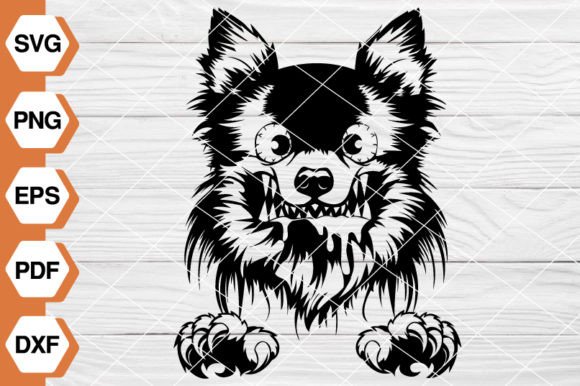
When I opened the Shih Tzu design for the first time, what struck me wasn’t just its cuteness—it was how immediately *workable* it felt. The silhouette is clean and confident: rounded head, expressive eyes, soft muzzle, and that signature fluffy face—all held together with gentle curves and balanced negative space. It doesn’t try to be hyper-detailed or overly stylized. Instead, it leans into warmth and approachability—exactly the kind of visual tone that reads well on a baby onesie, a linen tea towel, or a custom embroidered tote bag meant for a dog-loving boutique owner.
Real-Life Test Run: A Personalized Baby Blanket for a Local Client
Last week, I used Shih Tzu on a 12” x 12” organic cotton baby blanket—intended as a welcome gift for a new parent whose Shih Tzu had just become an honorary aunt. I stitched it in a 4” hoop using medium-weight tear-away stabilizer and matte cotton thread. The result? Crisp edges, no puckering, and a finished product that looked handmade—not digital. Customers notice that difference. When embroidery reads as intentional and tender, not rushed or pixelated, it lifts the entire perceived value of the handmade product.
Where This Design Truly Shines
- Custom apparel: Works beautifully on sweatshirt cuffs, chest pockets, or back yokes—especially when scaled between 2.5”–4”. The compact shape avoids awkward stretching on curved surfaces like caps.
- Baby embroidery: Its gentle proportions and lack of fine linework make it ideal for onesies, burp cloths, and crib bumpers—even at 2” tall, it retains charm without risking stitch loss.
- Embroidered patch: Clean outer edge means easy cutting and clean backing. I’ve turned it into iron-on patches for aprons and denim jackets—no fraying, no bleed-through.
- Holiday embroidery & personalized gifts: Paired with a simple “Happy Holidays” script or stitched onto a velvet stocking, Shih Tzu adds quiet personality—not clutter.
- Etsy seller & small shop product: As a digital embroidery file, it’s versatile enough for mockups, printable packaging labels, or even subtle branding on fabric tags.
Where to Use It Thoughtfully
While Shih Tzu is forgiving, it’s not magic. On thin or highly textured fabrics—like lightweight rayon challis or bouclé knit—I recommend testing stitch density first. Dense fill stitch areas (like the ears or muzzle) can stiffen delicate weaves. For dark fabric, avoid light thread unless you’re layering stabilizer or using underlay stitches—contrast matters more than charm when visibility is low.
Also keep in mind: this isn’t an applique design. There’s no built-in seam allowance or raw-edge treatment. If you’re planning layered fabric elements (e.g., felt ears over satin-stitched faces), you’ll need to digitize or adapt manually. And while the files include SVG, EPS, PDF, DXF, and PNG—and are labeled “welded together”—always confirm whether your embroidery software reads the vector layers cleanly before committing to a large batch.
Design Assets That Support Your Craft Business
As an Illustrator and Graphics-focused designer who supplies assets to fellow Etsy sellers and local makers, I appreciate that Shih Tzu ships as five distinct file types. That flexibility lets me drop the SVG into Cricut Design Space for vinyl decals, use the PDF for print-and-cut templates, or import the DXF into Wilcom for stitch editing. But remember: high-resolution doesn’t equal automatic embroidery-readiness. Always convert to your machine’s native format and run a test sew-out—even if it’s just on scrap muslin.
What This Design Says About Your Brand
Using Shih Tzu thoughtfully tells customers you care about balance—between cuteness and clarity, simplicity and soul. It doesn’t shout. It invites. That makes it perfect for brands focused on nursery decor, pet-friendly home goods, or slow-made apparel. When stitched beside hand-lettered names or minimalist botanicals, it strengthens cohesion—not competition. And for craft fair shoppers flipping through your display, that quiet confidence builds trust faster than flashy fonts or busy borders ever could.
Practical Embroidery Designer Notes
- Test the design on scrap fabric *first*, especially if stitching on stretchy or napped material.
- Check thread color contrast on both light and dark fabric backgrounds—what reads softly on ivory may vanish on navy.
- Review stitch density: lighter fills work better on baby items; denser satin stitch holds up better on kitchen towels.
- Confirm hoop size compatibility—this design scales well, but avoid pushing below 1.75” without verifying detail retention.
- Inspect corners and curves in your embroidery software—look for jagged vectors or unintentional gaps before sending to machine.
- Use proper stabilizer: tear-away for stable wovens, cut-away for knits, and topping for fuzzy or pique textures.
- Verify licensing terms before selling finished products or bundling Shih Tzu into digital embroidery kits—it’s a Graphics asset, not automatically commercial-use by default.
- Try black-and-white mockups: if the shape holds up without color, it’ll hold up after washing, wear, and time.
A Design That Grows With Your Projects
I’ve used Shih Tzu on everything from a linen pillow cover for a groom’s gift (paired with monogrammed initials) to a series of embroidered patches for a local vet clinic’s staff aprons. Each time, it landed right—neither too precious nor too plain. It’s the kind of Illustration that supports your voice instead of competing with it. Whether you’re building a craft business, launching an Etsy shop, or simply making something meaningful for someone who loves their little lion-dog, Shih Tzu earns its place in your design assets—not because it’s trendy, but because it’s true to the work.